

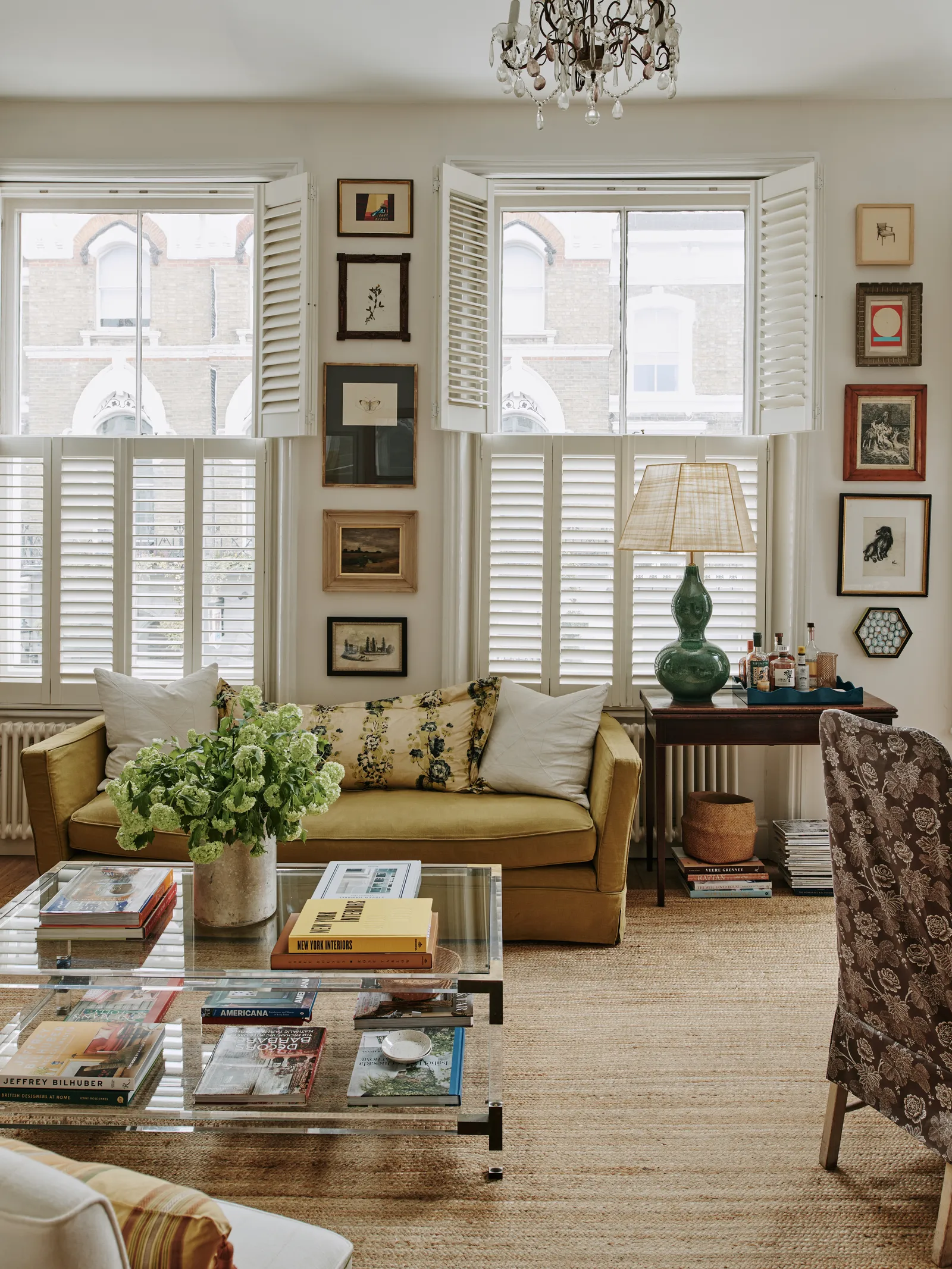
London homes are remarkably diverse, ranging from Victorian terraces and Georgian properties to modern apartments and contemporary townhouses. Because every property has its own architecture, lighting, proportions, and character, decorating is about more than simply choosing a new paint colour. The right approach can improve the atmosphere, functionality, and visual appeal of an entire property.
For homeowners considering Decorators in London, understanding the decorating process, available services, materials, and current design considerations can make it easier to plan a successful project.
Why Professional Decorating Matters in London
Decorating can have a significant effect on how a room looks and feels. Freshly prepared walls, carefully selected colours, well-finished woodwork, and properly installed wallpaper can make an older property feel refreshed while preserving its original character.
London properties can also present particular challenges. Period homes may have uneven walls, decorative mouldings, timber features, or multiple layers of previous finishes. Modern flats may require careful planning around limited space, natural light, and open-plan layouts. Professional decorators can adapt their preparation and finishing techniques to these different conditions.
Choosing the Right Style for Your Property
A successful decorating project should complement the existing architecture rather than simply follow a short-lived trend. Traditional properties can work beautifully with classic colours, patterned wallpaper, panelled walls, and carefully restored woodwork. Contemporary properties may suit cleaner lines, subtle textures, and coordinated neutral or stronger accent colours.
Current London interiors are also showing greater interest in warmer colours, tactile materials, individual expression, and combinations of traditional and contemporary elements. Recent London design coverage has highlighted modern interpretations of classic interiors and richer, more characterful decorating approaches.
Painting and Colour Selection
Paint is one of the most effective ways to transform a room without completely changing its structure. However, colour can look very different depending on natural daylight, artificial lighting, room size, flooring, and surrounding furnishings.
Warm neutrals can create a comfortable and welcoming environment, while deeper greens, blues, terracotta shades, and other richer colours can add personality. Colour drenching, where related shades are used across walls and architectural elements, is also receiving attention in contemporary interiors.
Rather than selecting a colour simply because it is fashionable, homeowners should consider how it will work throughout the day and whether it complements the property’s existing features.
Wallpaper and Decorative Finishes
Wallpaper can introduce pattern, texture, and visual depth that ordinary paint cannot always achieve. It can be particularly effective on feature walls, bedrooms, dining rooms, hallways, and period properties.
Decorative finishes can also create a more distinctive appearance. Depending on the property and desired style, options may include textured finishes, subtle metallic details, specialist paint effects, or traditional decorative techniques. These finishes usually require careful preparation and application because imperfections can become more noticeable on highly decorative surfaces.
Preparing Surfaces Before Decorating
Good preparation is one of the most important parts of professional decorating. Painting directly over damaged or poorly prepared surfaces can produce an uneven result even when high-quality paint is used.
Preparation may involve cleaning surfaces, filling cracks and holes, sanding, removing loose material, repairing damaged plaster, priming new surfaces, and preparing woodwork. The amount of preparation required depends on the property’s existing condition.
Taking time at this stage can help produce smoother walls and cleaner final lines.
Decorating Period Properties
London has many older properties with architectural details that contribute to their character. Cornices, ceiling roses, fireplaces, skirting boards, doors, staircases, and timber mouldings can all become important parts of a decorating scheme.
Instead of automatically covering or replacing these features, homeowners can consider ways to highlight them. A carefully chosen colour contrast or sympathetic finish can make original architectural details stand out while keeping the overall design cohesive.
Small Rooms and London Apartments
Space can be limited in many London properties, so decorating decisions should consider both appearance and practicality. Lighter colours can help create an airy impression, while carefully positioned darker shades can provide depth and definition.
Mirrors, consistent colour palettes, appropriately scaled furniture, and thoughtful lighting can also contribute to a more spacious feeling. A decorator can help coordinate wall colours, ceilings, doors, and woodwork so that the room does not feel visually fragmented.
Decorating Kitchens and Bathrooms
Kitchens and bathrooms require materials that can cope with moisture, cleaning, and everyday use. Paint and finishes should therefore be selected according to the conditions of the room rather than purely on appearance.
In kitchens, colour can be coordinated with cabinets, splashbacks, flooring, and worktops. Bathrooms can benefit from calm, cohesive colour schemes, while decorative details can provide character without overwhelming a relatively small space.
Commercial Decorating in London
Professional decorating is not limited to residential properties. Offices, retail spaces, restaurants, rental properties, hotels, and other commercial premises may also require painting and decorating services.
Commercial projects often require additional planning because work may need to be completed around staff, customers, operating hours, furniture, and business schedules. Contemporary office decorating is also placing greater emphasis on comfortable, adaptable environments and natural-looking colours and materials.
How to Select a Professional Decorator
Before hiring a decorator, homeowners should establish exactly what work is required. A useful project discussion can cover the rooms involved, surface preparation, paint brands or specifications, wallpaper requirements, woodwork, expected completion time, and protection of furniture and flooring.
It is also sensible to request a detailed written quotation. This should make clear what preparation, materials, labour, and finishing work are included. Comparing quotations on the basis of scope rather than price alone can provide a clearer understanding of what each service offers.
Why Preparation and Attention to Detail Matter
Two decorating projects using similar colours can produce very different results. Clean edges, smooth surfaces, consistent coverage, properly prepared woodwork, and careful protection of surrounding areas all contribute to the finished appearance.
Professional decorating is therefore not simply about applying paint. It involves planning, preparation, technique, patience, and attention to small details.
Creating a Look That Lasts
Trends can provide inspiration, but a decorating scheme does not need to follow every new fashion. A balanced approach is often to combine timeless foundations with a few distinctive contemporary elements.
For example, neutral architectural finishes can be combined with colourful furniture, patterned wallpaper, artwork, textured fabrics, or carefully selected accessories. This makes it easier to update the room later without completely redecorating.
Final Thoughts
Decorating offers one of the most practical ways to refresh a London property while expressing the personality of the people who live or work there. From repainting a single room to completing a larger renovation, careful planning can make a substantial difference.
For anyone researching Decorators in London, the key considerations should include preparation quality, experience with the type of property, understanding of suitable materials, communication, project planning, and attention to finishing details. With the right approach, decorating can enhance both the character and everyday enjoyment of a London property.